MARKET TRENDS
Why AI Hunger Is Fueling the Fuel Cell Boom
Gigawatt-scale fuel cell deals signal a new commercial era as AI infrastructure and IRA incentives drive stationary power demand
11 Jun 2026
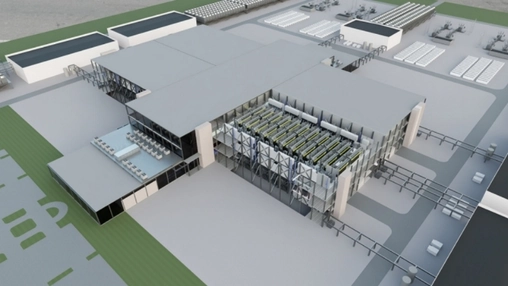
Somewhere between a machine learning model processing its billionth query and the grid struggling to keep up, a quiet energy technology found its moment. Fuel cells, long promising more than they delivered, are now signing contracts measured in gigawatts.
Two agreements illustrate the shift. Fuel Cell Energy struck a letter of intent with Sustainable Development Capital for up to 450 MW of fuel cell capacity earmarked for data centres. American Electric Power, separately, agreed in November 2024 to purchase up to 1 GW from Bloom Energy. Together, the commitments suggest that stationary fuel cells have moved from demonstration projects to core infrastructure planning.
The demand driver is not subtle. AI workloads consume extraordinary amounts of power, and the grid cannot always deliver it quickly or reliably enough. Large transmission projects take years to permit and build. Fuel cells, by contrast, can be sited close to load, provide stable baseload generation, and avoid the bottlenecks that slow conventional grid expansion. For data centre operators facing urgent capacity timelines, that combination is hard to ignore.
Policy has sharpened the commercial case further. The Inflation Reduction Act introduced incentives that have materially lowered the effective cost per megawatt for fuel cell procurement, making agreements of this scale financially credible rather than aspirational. The Department of Energy's Hydrogen and Fuel Cell Technologies Office has identified this scaling phase as central to its multi-year programme plan, with federal commitment running through the rest of the decade.
Beyond data centres, demand is broadening. Utility grid support and industrial combined heat and power applications are pulling stationary fuel cells into wider deployment across the American economy.
What makes analysts cautious about calling this a speculative wave is the structure of the demand itself. Procurement at this scale, backed by both policy incentives and hard infrastructure timelines, points to something more durable than enthusiasm. Whether the technology can sustain that confidence as projects move from letters of intent to operating plant will determine whether fuel cells become a cornerstone of American power infrastructure, or merely a promising chapter in its history.
Related News


SUBSCRIBE FOR UPDATES
By submitting, you agree to receive email communications from the event organizers, including upcoming promotions and discounted tickets, news, and access to related events.